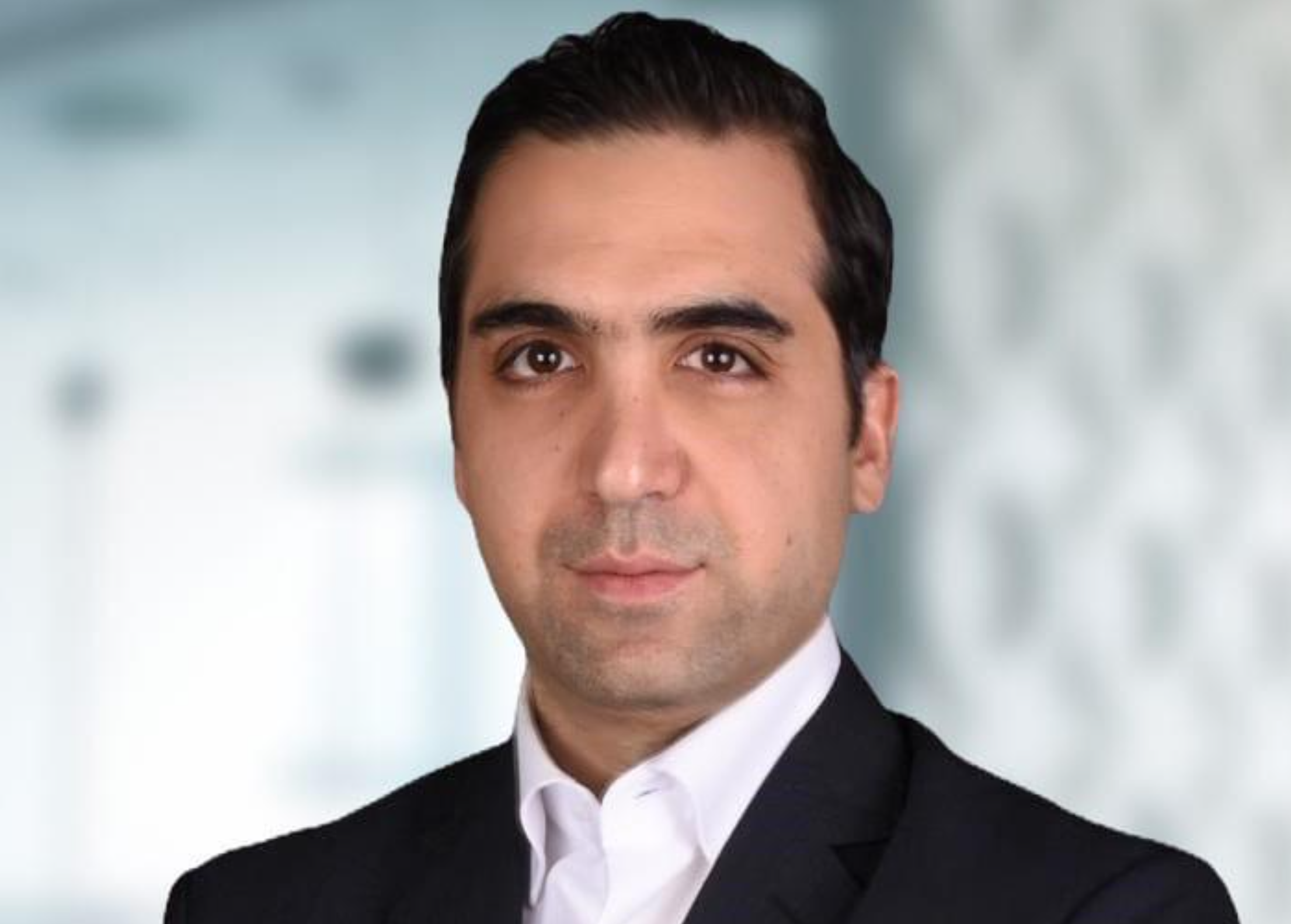
 Omar Alhalabi, Partner and Head of Economics and Public Policy Advisory at KPMG Middle East,
KPMG: Riyadh's next phase of competitiveness will depend on turning transformation into long-term economic outcomes
Riyadh has built many of the foundations of a globally competitive city. Its next challenge is turning that momentum into lasting gains in productivity, innovation and quality of life, according to a new report published by KPMG Middle East.
The report, The Future of Urban Competitiveness: Riyadh's City Transformation in Perspective, introduces KPMG's City Competitiveness Framework, which assesses cities across three dimensions: governance, the economy and business environment, and the living environment. Applying the framework to Riyadh, the report finds a city with strong institutional and economic foundations that is well positioned for its next phase of growth, while identifying opportunities to strengthen talent, innovation, livability and long-term competitiveness.
Riyadh contributes approximately half of Saudi Arabia's non-oil GDP, is home to an estimated 7.5 million residents and hosts more than 600 multinational regional headquarters. According to the report, these indicators reflect the city's growing role as a regional and global economic centre, supported by sustained investment, institutional reform and digital transformation.
The report finds Riyadh performing particularly strongly in areas shaped by policy reform and public investment. Saudi Arabia ranks third globally on the UN E-Government Development Index, while Riyadh ranks 27th on the IMD Smart City Index. The city also places 97th among 1,000 cities on the Oxford Economics Global Cities Index and 33rd among 275 cities on the Numbeo Safety Index. Strong government effectiveness, fiscal capacity and an increasingly competitive business environment provide a solid foundation for continued growth.
The assessment also identifies opportunities to strengthen the long-term drivers of competitiveness. Education remains a priority, with Saudi Arabia ranking 64th out of 81 education systems in the OECD's 2022 PISA assessment. Talent and innovation also present opportunities for continued progress, with the Kingdom ranking 48th on the INSEAD Global Talent Competitiveness Index and 47th on the WIPO Global Innovation Index. The report also highlights environmental resilience as an increasingly important consideration, particularly given the challenges associated with extreme heat, water scarcity and a low-density urban form.
Omar Alhalabi, Partner and Head of Economics and Public Policy Advisory at KPMG Middle East, commented: "Riyadh has built many of the foundations associated with globally competitive cities. The next stage of its transformation is about converting those strengths into measurable outcomes for businesses, investors and residents. That means accelerating talent development, deepening innovation, enhancing livability and ensuring that long-term investment continues to deliver lasting economic value."
The report identifies four priorities that will help strengthen Riyadh's competitiveness over the coming years.
The first is strengthening human capital by improving the alignment between education, workforce skills and the needs of a rapidly evolving economy.
The second is enhancing livability, ensuring that investments in projects such as Green Riyadh, King Salman Park, Sport Boulevard and the Riyadh Metro translate into measurable improvements in mobility, accessibility and quality of life.
The third is deepening the business ecosystem by strengthening entrepreneurship, small and medium-sized enterprises, research institutions and innovation networks to complement continued foreign investment.
The fourth is improving what the report defines as "conversion capability" by strengthening performance measurement, coordination across public institutions and the effective delivery of long-term investment programmes.
While the report focuses on Riyadh, KPMG believes its findings have broader relevance for cities worldwide as competition for investment, talent and innovation continues to intensify. The report concludes that long-term urban competitiveness increasingly depends not only on the scale of investment, but on a city's ability to convert investment into sustained economic, social and environmental outcomes.