NCVC Launches Caper Seed Collection Season to Support Biodiversity, Ecosystem Sustainability
The National Center for Vegetation Cover Development and Combating Desertification (NCVC) announced the launch of the caper seed collection season across several regions of the Kingdom.
The seeds will be propagated in nurseries and cultivated in dedicated fields as mother plants to produce sufficient quantities for dispersal in targeted areas under vegetation cover rehabilitation and degraded ecosystem restoration programs.
The initiative aims to enhance biodiversity and support environmental sustainability objectives in line with the goals of Saudi Vision 2030.
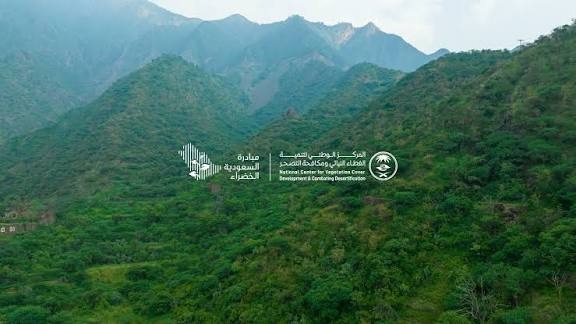
The center explained that the caper plant is a perennial native species of significant environmental value. It grows in hard soils, mountainous terrain, and rocky areas and is distinguished by its high tolerance to high temperatures and harsh environmental conditions. These characteristics make it an important species for supporting mountainous and arid ecosystems and maintaining ecological balance.
The NCVC noted that the caper plant is a nectar-producing species that serves as an important food source for bees. Its white flowers bloom in spring and early summer, contributing to natural pollination and honey production, thereby enhancing its environmental value and role in ecosystem sustainability.
The center added that the plant's fruits provide a food source for various wildlife species, including birds and rodents, and are also edible for humans, giving the plant multiple environmental and economic benefits.
The caper plant, also known as the mountain caper, is a perennial thorny creeping shrub that can exceed one meter in height under suitable conditions. It is distinguished by its numerous branches and pale green semi-circular leaves and is considered one of the Kingdom’s important native plant species that contribute to enriching biodiversity and supporting the sustainability of natural resources.