Saudi Arabia Transforms Environmental Landscape, Rehabilitates Vegetation
When degraded lands are transformed into vibrant green spaces, the impact of long-term vision becomes evident. Saudi Arabia is making significant strides in revitalizing vast areas affected by natural and human factors over past decades, restoring ecological balance, preserving biodiversity, and renewing green vitality for future generations.
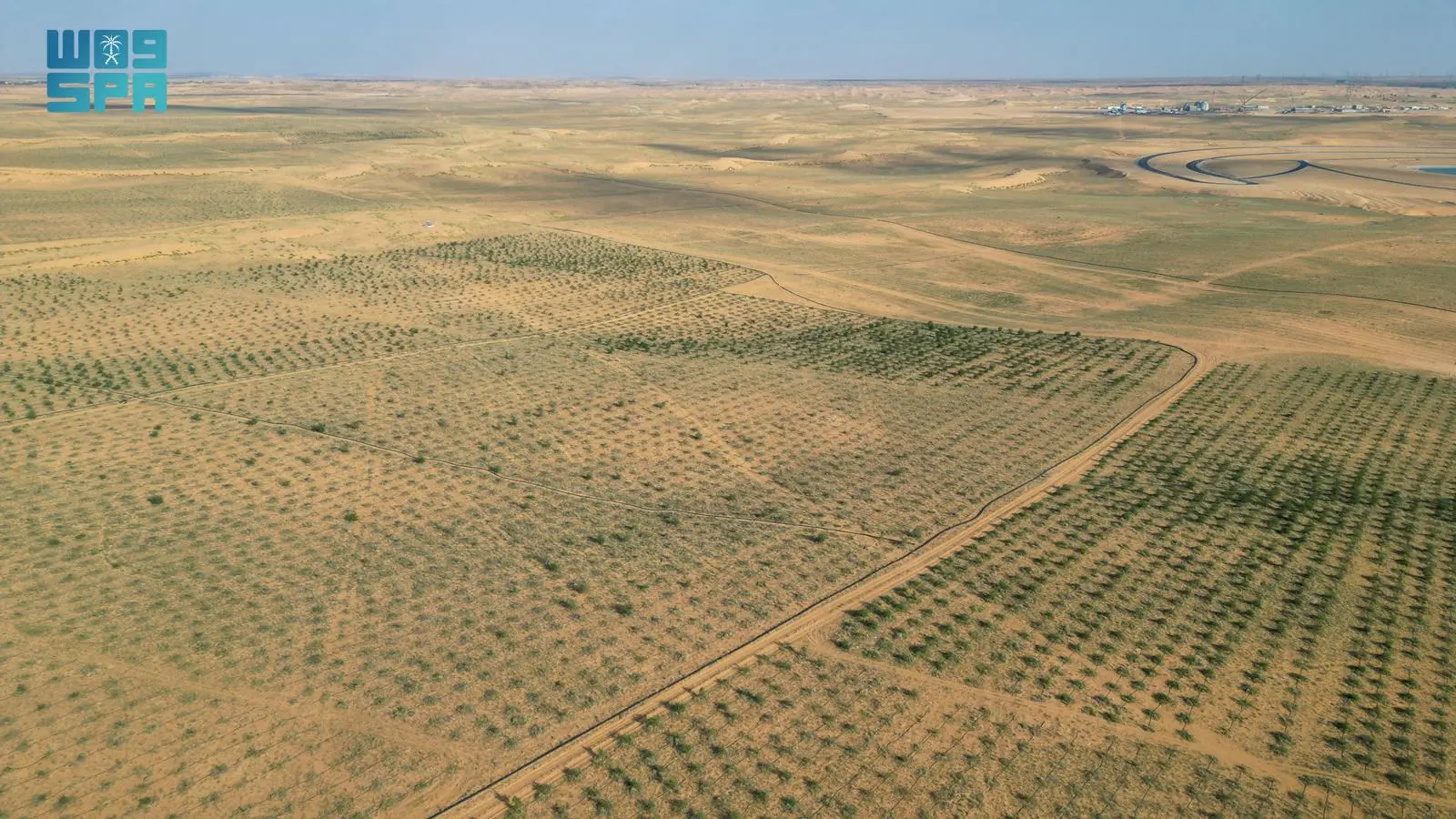
Minister of Environment, Water and Agriculture Abdulrahman Alfadley recently announced a major national milestone: the restoration of the first million hectares of degraded land. This achievement reflects the rapid transformation underway in the Kingdom’s environmental sector to meet the objectives of the Saudi Green Initiative (SGI). The milestone was made possible through close coordination among government entities, the private sector, and non-profit organizations.
The partnerships have unified efforts, facilitated knowledge exchange, and pooled resources to implement afforestation and land rehabilitation projects, demonstrating an effective national model for collaborative environmental action.
In recent years, Saudi Arabia has adopted an integrated approach grounded in sustainability and innovation. The approach has led to numerous initiatives to expand vegetation cover, resulting in the restoration of one million hectares of degraded land and the planting of more than 159 million trees. The National Greening Program is at the forefront of these efforts, serving as the executive arm of the SGI’s strategic plan. It leads the implementation of ambitious targets, including rehabilitating 40 million hectares and planting 10 billion trees, through a framework encompassing 11 operational zones and 155 initiatives.
Working in conjunction with the National Center for Vegetation Cover Development and Combating Desertification (NCVC), the program employs advanced technologies, such as remote sensing, satellite imagery, drones, and geographic information systems (GIS), to monitor environmental indicators, soil conditions, land productivity, and carbon stocks.
The rehabilitation of the first million hectares delivered wide-ranging environmental, social, and economic benefits. Environmentally, the projects have restored native vegetation, enhanced biodiversity, and achieved cumulative carbon sequestration exceeding 2.2 million tons of carbon dioxide. Improved air quality has also contributed to a nearly 50% reduction in dust storms across the Kingdom in 2025 compared to historical averages.
On the social front, the projects created more than 68,000 jobs in rangeland management, nurseries, and environmental services. Economically, the initiative supports sustainable agriculture and fosters eco-economy sectors such as ecotourism and native plant production. It is estimated that every dollar invested in rehabilitation can generate returns of up to $30, highlighting the strong economic value of environmental restoration and its contribution to improving quality of life.
Reaching the one-million-hectare milestone marks a significant step toward building a sustainable and prosperous environment. It underscores that environmental protection is a shared responsibility and reflects Saudi Arabia’s commitment to strengthening its global leadership in addressing the challenges of land degradation and climate change.