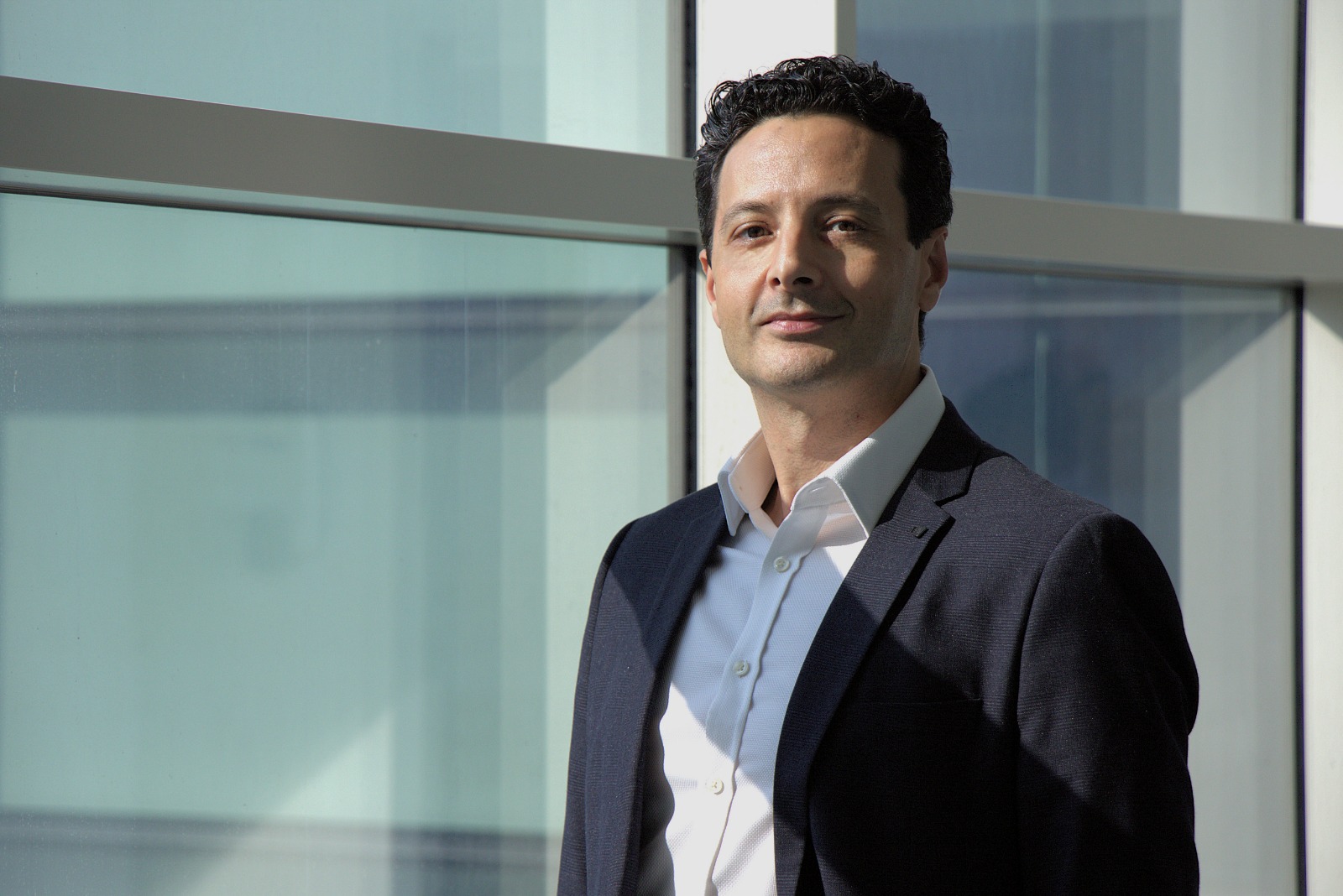
 Karim Amer, Senior Marketing Director
Why Trust Is the New Status Symbol for Brands in the Gulf
We live in a time of extraordinary abundance. In the Gulf especially, consumers are surrounded by choice – a new brand pop-up on every corner, premium experiences becoming widely accessible, and innovation moving at a relentless pace. Yet, paradoxically, value has never felt harder to define.
Amid all this progress, trust is becoming scarce. And scarcity, as markets have always taught us, is what ultimately determines worth.
We see this shift in how new generations of consumers are behaving. They are far less impressed by “new” for its own sake. Instead, they are asking more considered questions: Is this worth it? Does it align with how I see the world? Will this brand still stand for something when conditions change?
Data points to this change in mindset. PwC’s research shows that 82% of Gen Z consumers plan to buy less expensive alternatives, commonly known as “dupes”, while 63% intend to shop vintage or upcycled products. Rather than signalling price sensitivity, these choices reflect a recalibration in value. Affordable is no longer the opposite of premium. It has become a signal of judgment.
We may say that long-term thinking is back in fashion. Younger consumers are not simply reacting to short-term economic pressure; they are thinking in generational terms. Climate, mental health, career resilience and future security all influence how and where they choose to spend. Consumption, for many, has become an expression of responsibility over impulse.
This is why trust now carries real weight. When quality and access are widely available, reliability becomes the differentiator. And when it breaks, it breaks quickly. Social media and real-time reviews surface every glitch in an instant. Consumers no longer have to wait for word of mouth to travel. They read a review, decide and move on.
This matters particularly in markets like the GCC, where people are digitally fluent, globally exposed and highly discerning. Trust hinges on how brands respond under pressure, how transparent they are when things go wrong, and how coherently they act.
Organisations that endure over time tend to share a common understanding in how trust is formed. It is shaped by how leaders make decisions, how people are treated, and how values hold when trade-offs are difficult. Culture, then, becomes the condition that makes meaningful innovation possible.
This perspective is also resonant in the context of Henkel reaching its 150th anniversary. Guided by the purpose “Pioneers at heart for the good of generations”, our experience reflects a belief that progress and responsibility are mutually reinforcing. Purposeful growth, when anchored in long-term thinking, creates value that extends beyond products to people, businesses and society alike. In the Gulf, Henkel has been growing since the early 1990s, demonstrating that trust in products and services is built cumulatively over time.
At the core of this approach is a people-led culture. Henkel’s family-owned heritage and long-standing commitment to values have impacted how it invests in its employees, supports education and communities, and takes responsibility for building a more sustainable and inclusive future. This includes long-term commitments such as ensuring that all regional manufacturing facilities operate on 100% renewable electricity.
So, are we witnessing the decline of branding? Hardly. What we are seeing is its maturation. A shift from novelty to meaning, from blind loyalty to discerning choice, from short-term attention to long-term credibility.
In today’s marketplace, trust is constantly evaluated, carefully earned and valued precisely because it is rare and built over time. In a region saturated with ambition and momentum, that may be the most enduring form of luxury there is.
*Karim Amer, Senior Marketing Director, Henkel Consumer Brands (Hair & Beauty Care) – Dubai, UAE