Saudi Arabia Remains Key Supporter of Yemen’s Development and Economic Recovery
The Kingdom of Saudi Arabia is Yemen’s largest historical supporter in humanitarian, development, and economic fields, where development and economic interventions form a cornerstone of Yemen’s recovery at both the macro and micro levels.
Between 2012 and 2025, Saudi Arabia provided more than $12 billion in support, strengthening Yemeni institutions, sustaining essential services, and alleviating economic and social pressures. This included $3.2 billion in deposits and grants to the Central Bank of Yemen, contributing to financial and macroeconomic stability.
The Saudi Development and Reconstruction Program for Yemen (SDRPY) has implemented 268 development projects and initiatives across eight vital sectors at a cost exceeding $1 billion. These projects have improved infrastructure and basic services, enhanced food security, built institutional and human capacities, and created job opportunities, supporting sustainable development.
In the health sector, support has expanded access to quality healthcare through the construction, equipping, and operation of hospitals and medical centers, alongside the training of healthcare personnel.
In the water sector, projects addressed water scarcity by improving resource management, distribution efficiency, and the use of renewable energy, thereby strengthening water security.
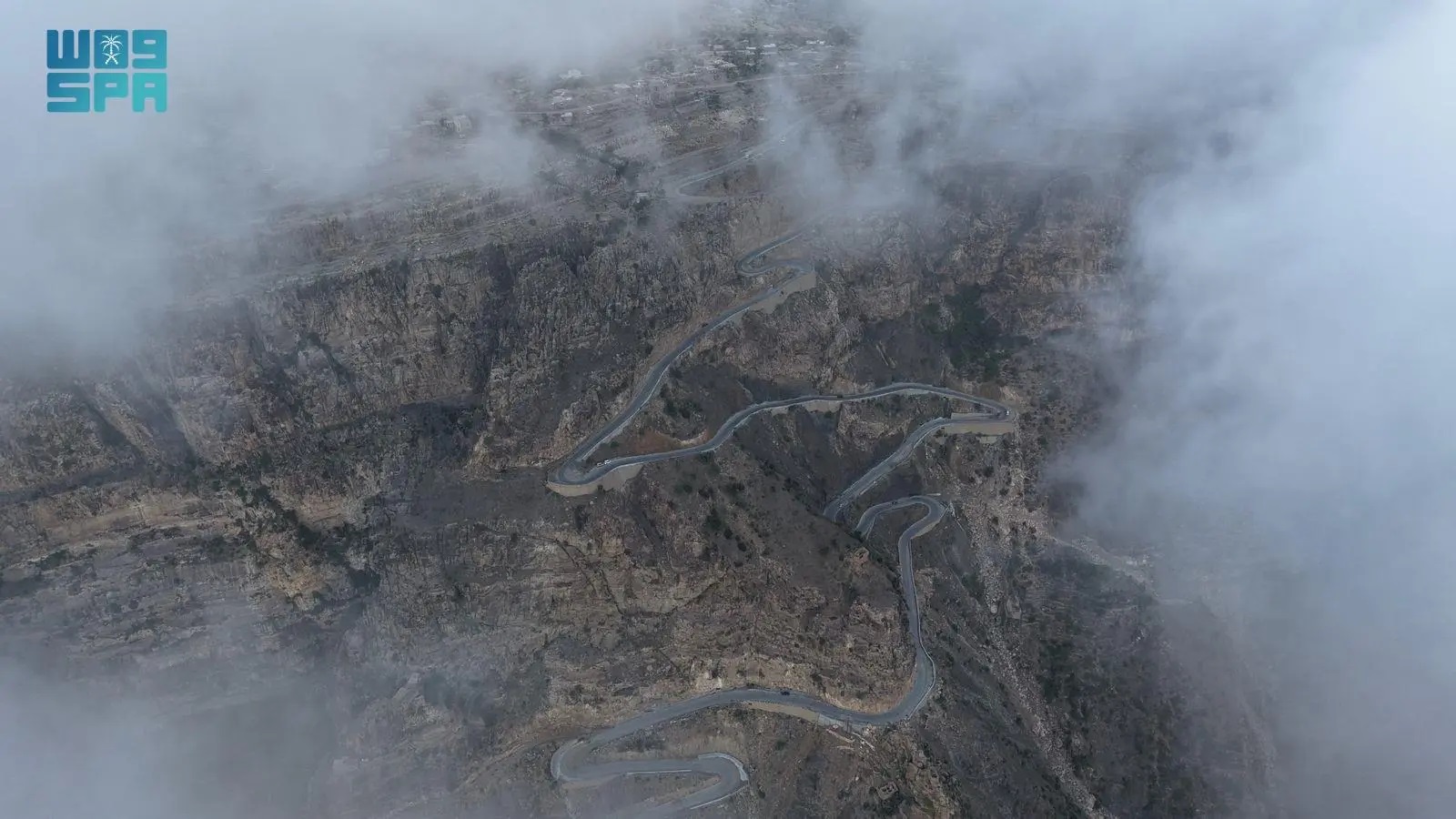
In the transport sector, projects benefiting nearly 14 million people included airport rehabilitation, port capacity expansion, and the rehabilitation of 150 kilometers of roads, enhancing connectivity, trade, and mobility.
The program also advanced education by supporting universities, medical colleges, and technical and vocational training, enabling thousands of Yemeni students to access quality education and increase their employment prospects.
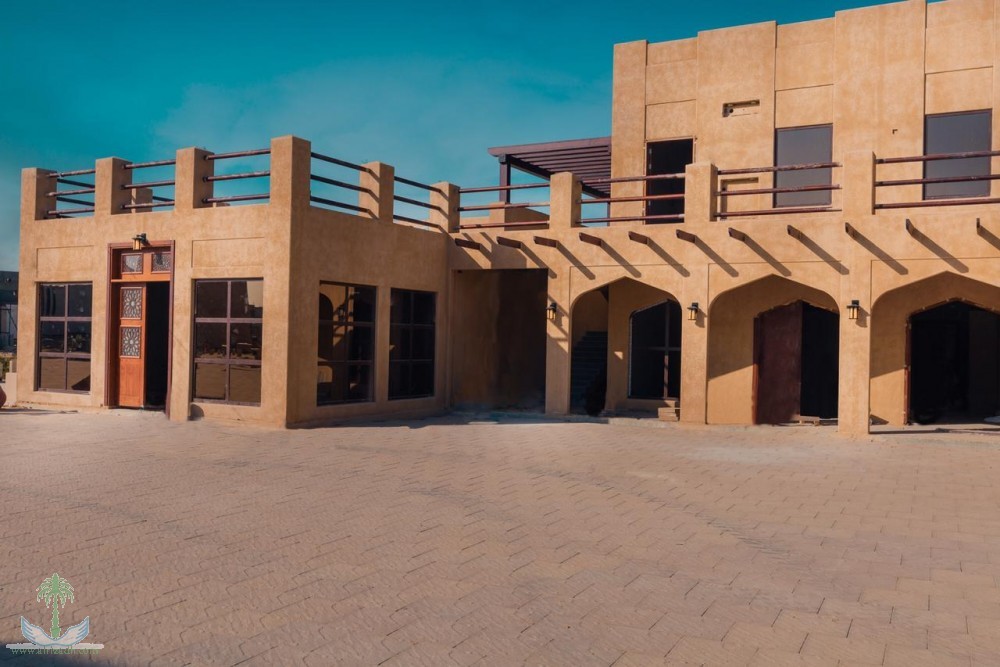
The program further launched initiatives to boost livelihoods, empower women and youth, and preserve Yemen’s cultural heritage, including the restoration of Seiyun Palace in Hadhramaut as a key historic and cultural landmark.
The SDRPY works in close coordination with the Yemeni government, local authorities, civil society organizations, international and UN agencies, and the private sector, with five executive offices across Yemen overseeing project implementation.