
Dr. Ayman Oraif: Premature Ovarian Insufficiency Is One of the Most Complex Fertility Challenges
Premature ovarian insufficiency (POI) remains one of the most complex challenges facing women’s reproductive health, due to its early onset and long-term physical, psychological, and fertility-related consequences.
Dr. Ayman Oraif, Consultant and Director of the IVF Center and Reproductive Surgery at King’s College Hospital London – Jeddah, stated to Riyadh Daily that premature ovarian insufficiency is medically defined as the partial or complete loss of ovarian function before the age of 40. He explained that the term “insufficiency” is preferred over “failure” or “early menopause,” as it reflects the possibility of residual ovarian activity and avoids negative psychological and social implications for patients and their families.
He noted that diagnosis is based on a clear diagnostic triad, including menstrual irregularity or amenorrhea persisting for more than four months, elevated follicle-stimulating hormone (FSH) levels exceeding 25 IU/L on two separate tests conducted at least four weeks apart, and low estrogen levels in women under the age of 40.
Health and Fertility Impact
He explained that estrogen deficiency at a young age leads to symptoms such as hot flashes, night sweats, sleep disturbances, vaginal dryness, anxiety, and depression. He added that premature ovarian insufficiency is associated with increased long-term health risks, including osteoporosis and cardiovascular disease.
He further pointed out that infertility related to premature ovarian insufficiency affects approximately 1% of women worldwide, while the chances of spontaneous pregnancy following diagnosis remain limited, ranging between 5% and 10%.
Limitations of Conventional Treatments
According to Dr. Oraif, conventional treatment options—including estrogen therapy, gonadotropins, steroids, and immunosuppressive agents—have not demonstrated significant improvement in ovarian function or meaningful increases in pregnancy rates.
While oocyte donation remains the current gold standard for achieving pregnancy, he emphasized that this option does not meet the desire of many women to conceive genetically related offspring and may be limited by religious and cultural considerations in certain societies.
Regenerative Medicine and Emerging Approaches
He told that scientific attention has increasingly shifted toward regenerative medicine, particularly stem cell therapy, due to its unique biological properties, including self-renewal and pluripotency, as well as its potential to improve the ovarian microenvironment.
He explained that stem cells exert their therapeutic effects mainly through paracrine mechanisms by secreting cytokines and growth factors that promote angiogenesis, reduce inflammation, inhibit apoptosis, decrease fibrosis, and modulate immune responses, directly contributing to the restoration of ovarian function.
Exosomes and PRP Applications
Dr. Oraif highlighted the growing role of exosomes as key molecular mediators of stem cell activity, noting that they activate regenerative signaling pathways such as AKT, STAT3, and ERK, while offering lower risks of immune rejection, vascular occlusion, and tumor formation compared to direct stem cell transplantation.
He also pointed to platelet-rich plasma (PRP) as a promising approach in enhancing follicular viability and improving the ovarian microenvironment through growth factors including TGF-β, VEGF, PDGF, and IGF-1, while stressing that standardized clinical protocols remain a major challenge.
Future Clinical Outlook
Dr. Oraif indicated that human clinical studies have reported encouraging outcomes, including restoration of menstruation, improved hormonal profiles, increased ovarian volume, elevated anti-Müllerian hormone (AMH) levels, and documented cases of successful pregnancies and live births without significant adverse effects. However, he emphasized that large-scale studies are still required to confirm the safety and efficacy of these therapies before they can be adopted as routine clinical practice.
The remarks were made on the sidelines of the First Saudi Conference on Gynecology and Fertility (GFS), held in Jeddah from January 29 to 31, 2026, with the participation of more than 40 local and international experts in gynecology, fertility, and infertility. The conference was organized by Dr. Ayman Oraif and held under the patronage of His Highness Prince Saud bin Abdullah bin Jalawi Al Saud, Governor of Jeddah.
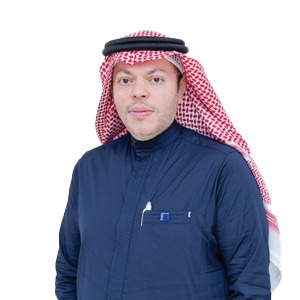
Dr. Ayman Oraif, Consultant and Director of the IVF Center and Reproductive Surgery at King’s College Hospital London – Jeddah