Red Sea Summer: A Season of Diverse Tourism Opportunities
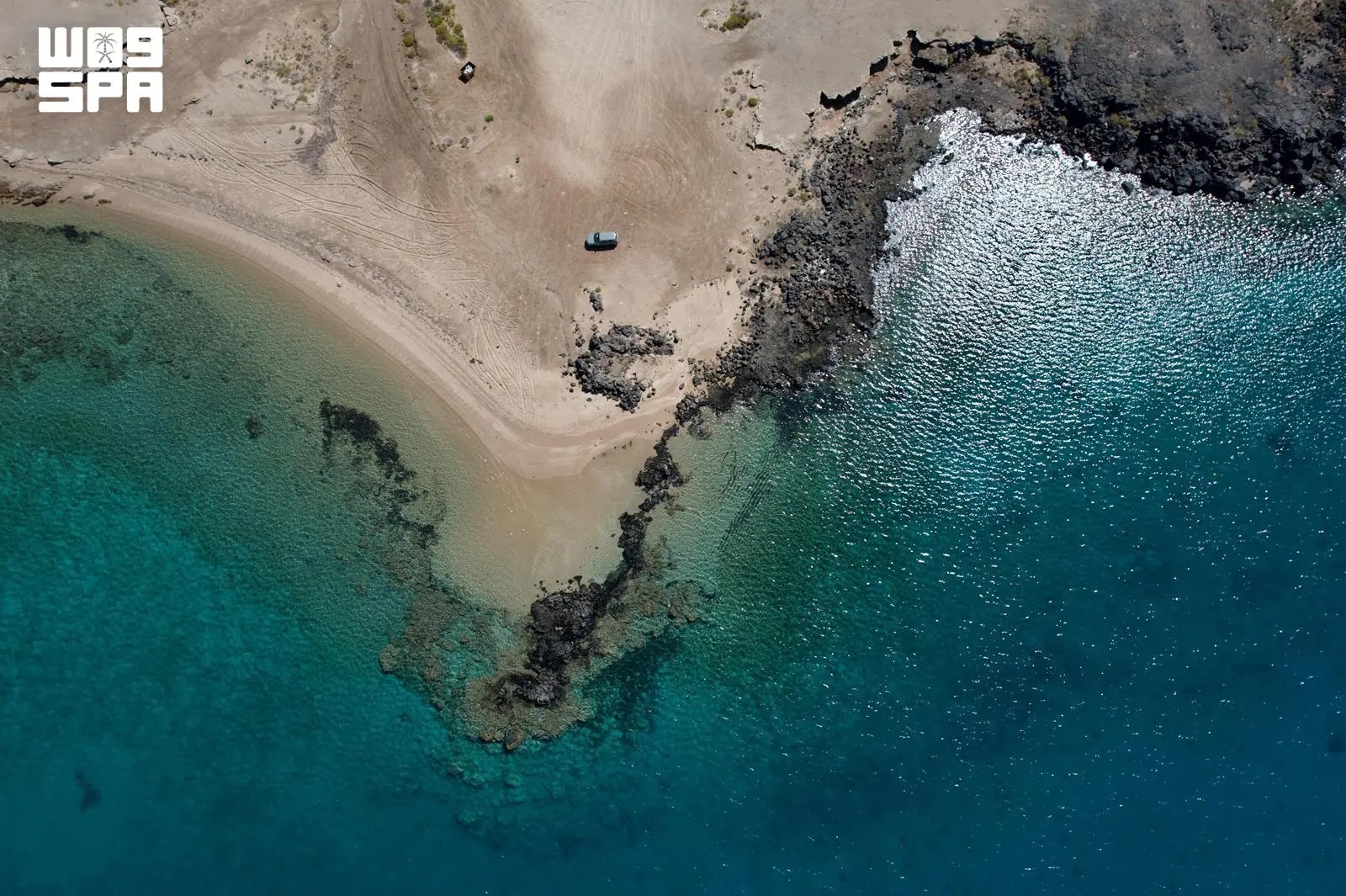
The Red Sea coast stretches across more than 150 beaches and some 1,150 islands, nearly nine-tenths of all the Kingdom’s islands. Its waters hold more than 300 species of coral and upward of 1,200 species of fish, on reefs estimated to be 5,000 to 7,000 years old.
The Red Sea’s remarkable geographical and environmental diversity, coupled with its vast coastline, makes it one of the Kingdom’s most valuable sustainable tourism assets. Among its most notable attractions is Jeddah’s urban waterfront, which offers visitors swimming areas, cycling and walking trails, recreational and sports facilities, as well as a wide range of cafes, restaurants, and public amenities.
In Yanbu, divers can explore a premier diving destination renowned for its vibrant coral reefs and specialized diving centers catering to both beginners and experienced enthusiasts. Further north, in the governorates of Umluj and Al-Wajh, the Red Sea reveals some of its most spectacular natural landscapes, with pristine white-sand islands and crystal-clear waters that have established the area as a world-class tourism and investment destination.
Further south in the Red Sea, the Farasan archipelago is distinguished by its exceptional natural environment, including mangrove forests and the rare Farasan gazelle. The reserve joined UNESCO’s World Network of Biosphere Reserves in 2021 and is also renowned for its rich coastal heritage, including a long history of pearl diving.
For the first time in the Kingdom, the Saudi Red Sea Authority has issued unified requirements for beach operators, aiming to enhance investment in beaches as tourism destinations offering recreational experiences for all segments of society, while ensuring compliance with public safety standards, operational requirements, and environmental protection measures.