Personal Seals Preserve Makkah's Commercial Legacy Through Centuries
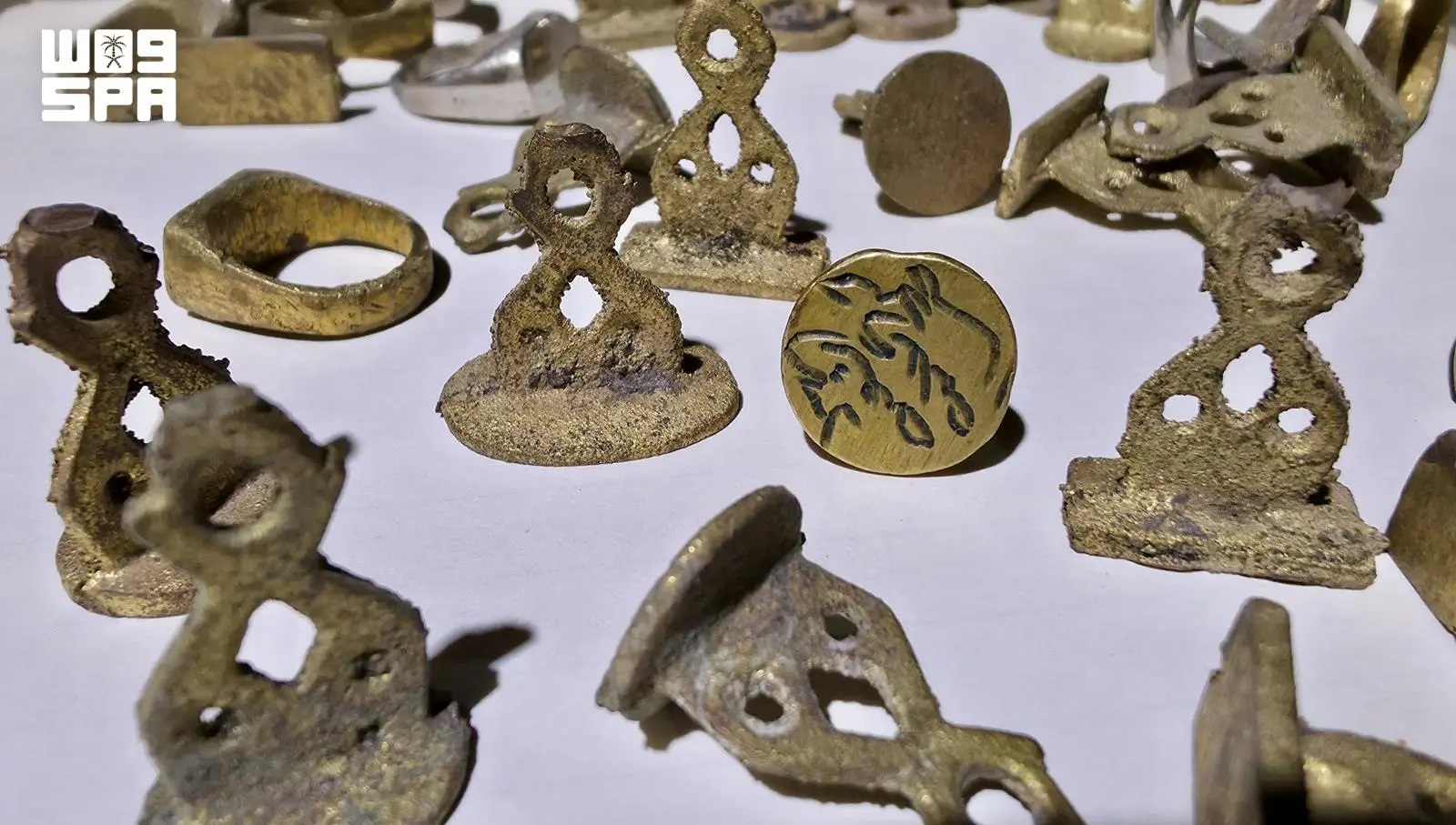
For centuries, the personal seal served as one of the most important tools of documentation in Makkah’s economic and social life, functioning not only as a means of proving ownership and validating documents but also as a symbol of trust and the preservation of rights in a city renowned for its commercial activity linked to Hajj and Umrah seasons and its reception of visitors from across the Islamic world.
In Makkah, which played a central role as a major stop for trade caravans and an active economic center throughout history, the seal was embedded in the details of daily life. It was used to document sales contracts, purchase agreements, and business partnerships, as well as to authenticate receipts, correspondence, and financial records. Serving as a personal signature, it granted documents credibility and reflected the identity of its owner.
Despite digital transformation and the growing use of electronic signatures and digital documents, traditional seals continue to retain their historical and heritage value as a testament to an important stage in the evolution of documentation methods and the preservation of rights. They remain tangible records of the commercial and social activity that characterized Makkah, closely linked to the movement of pilgrims and Umrah performers and the markets that developed around the Grand Mosque.