Qassim’s Agricultural Transformation: Mulberry and Berry Cultivation Bolster Saudi Food Security
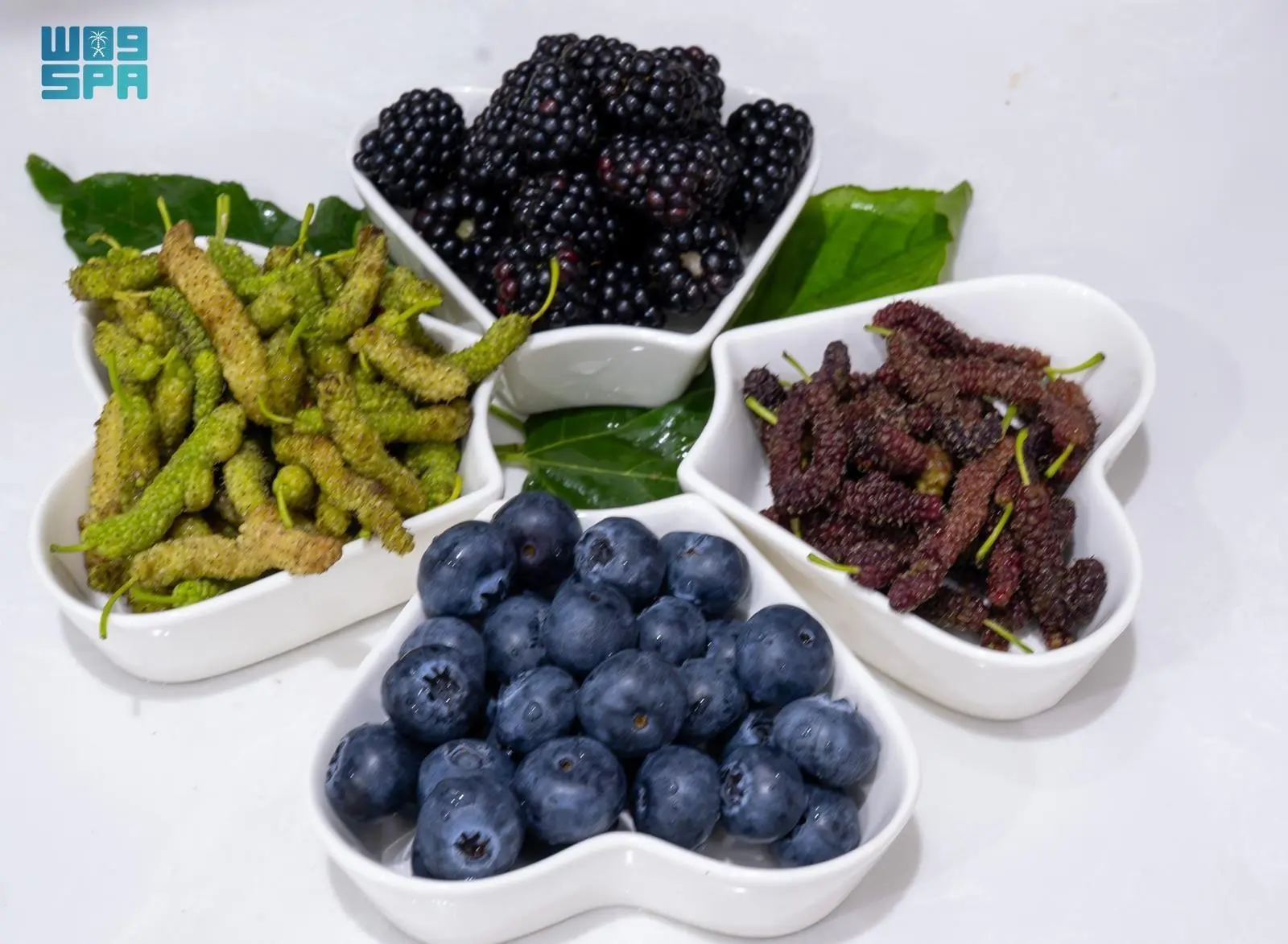
Qassim Region is witnessing a significant agricultural transformation as mulberry and berry cultivation rapidly expands under the Kingdom’s strategic push to diversify production and enhance food sustainability, evolving from individual initiatives and limited greenhouse experiments into integrated large-scale production projects that rival imported products in quality.
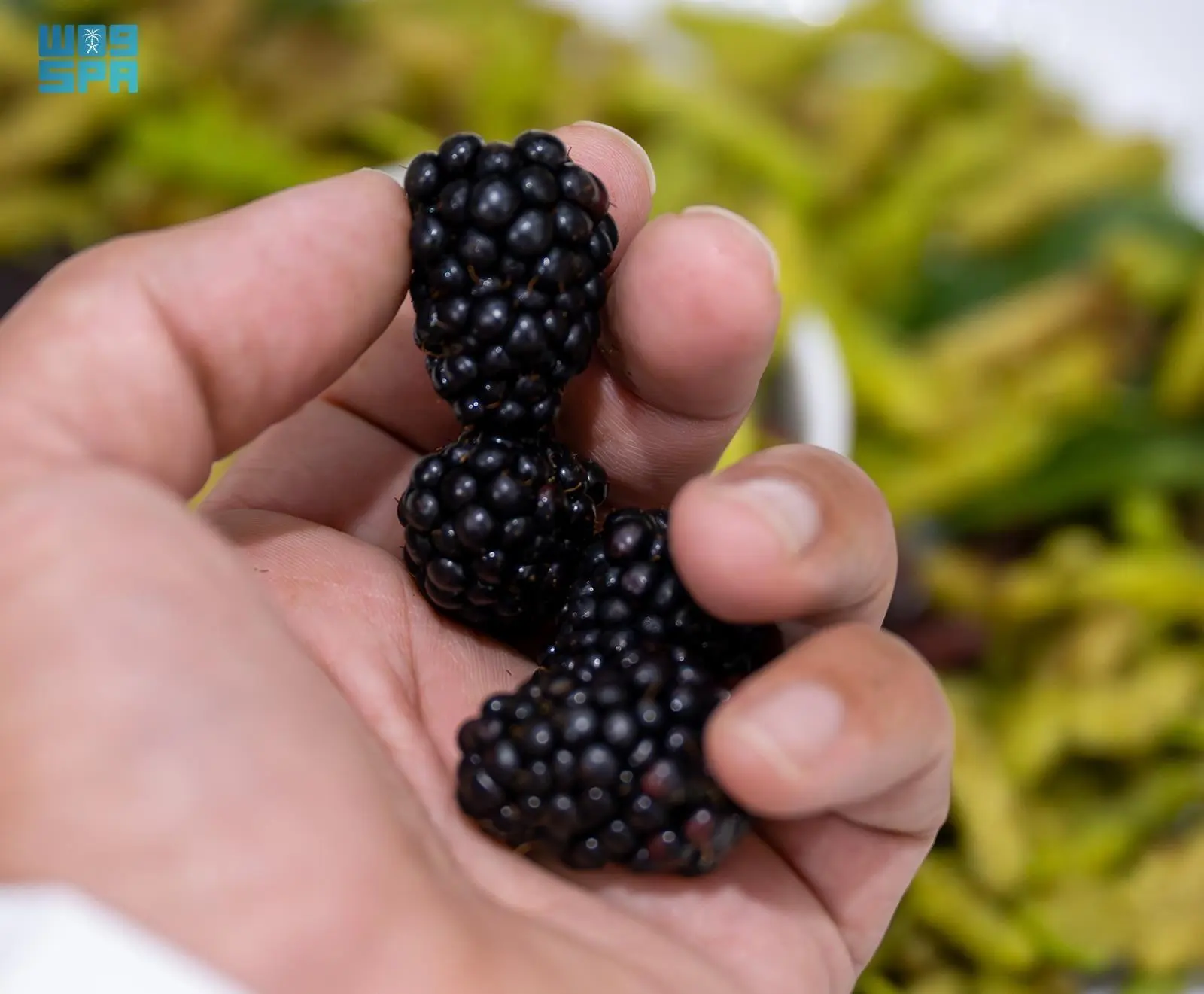
This shift underscores a broader national commitment to agricultural innovation in line with the goals of Saudi Vision 2030, with Qassim Region becoming particularly known for its production of black mulberries that thrive in its distinct soil and environmental conditions.
Current agricultural projects also include the cultivation of white, red, and blue varieties, while modern farms in Unaizah record an annual yield of approximately 40 tons. This output clearly indicates the sector’s viability and its successful transition into a robust economic activity that supports local markets with high-quality fresh produce.
These developments are driven by the integration of advanced agricultural technologies, including closed-loop greenhouses, solar energy, and precision climate-control systems. By using drip irrigation to address water scarcity and high temperatures, these projects have significantly reduced reliance on imports and created new employment opportunities in the agricultural sector. Ultimately, Qassim’s success in berry cultivation represents a scalable model for sustainable, technology-driven farming that strengthens the Kingdom’s food security and global competitiveness.