Bsissa: Beloved Tunisian Staple Food for Ramadan
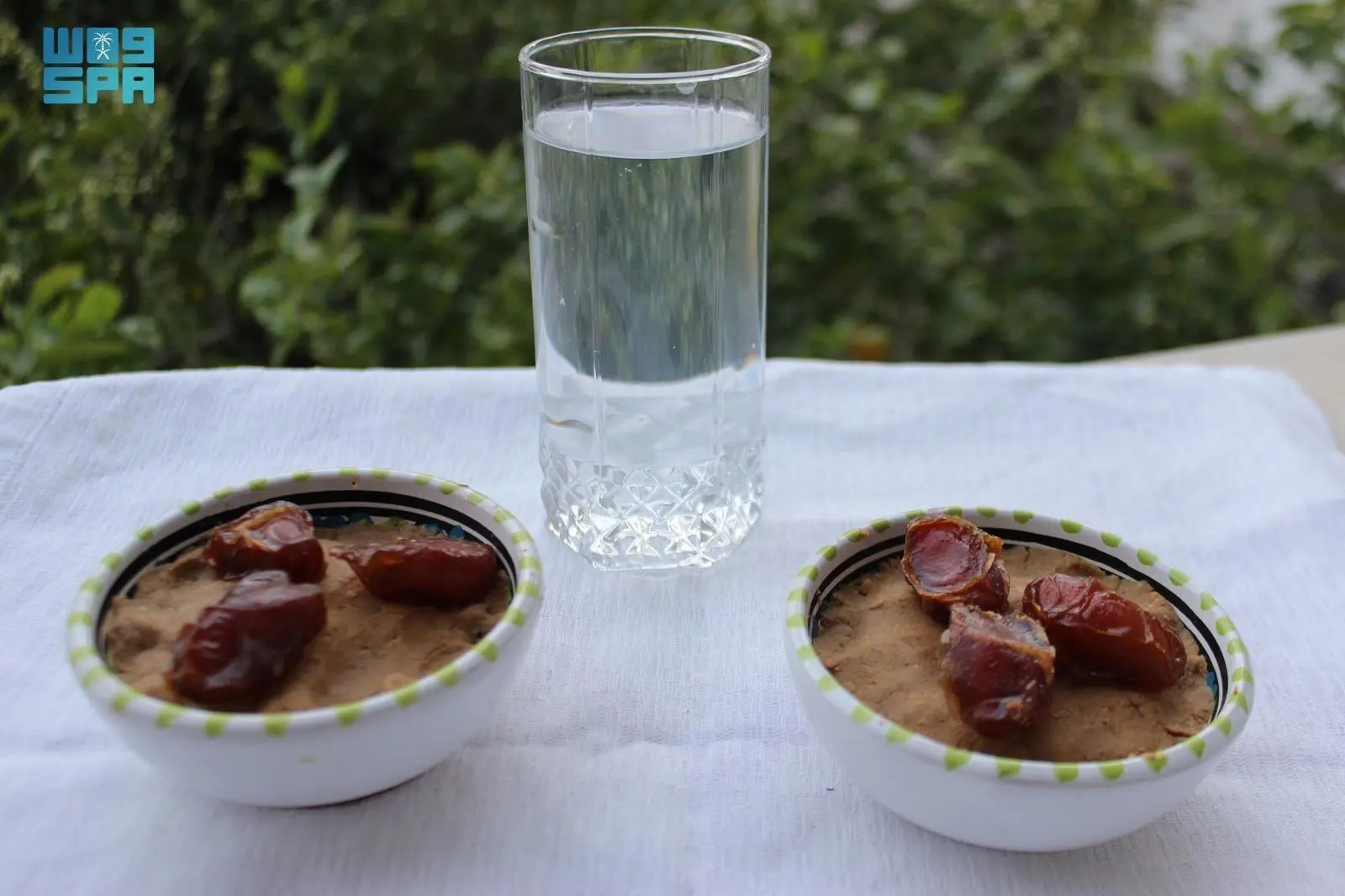
No iftar or suhoor table in any Tunisian household during the holy month of Ramadan is complete without bsissa placed at the center, as Tunisians traditionally break their fast with it to nourish their bodies after a long day of fasting.
Bsissa is considered one of Tunisia’s oldest traditional foods, with origins dating back to the Roman, Carthaginian, and Byzantine eras. It is enjoyed by both the rich and the poor, with variations depending on region, climate, and social conditions.
Recipes for bsissa vary from one area to another, depending on personal preferences and added ingredients such as dried fruits or other components. It can be made from wheat flour, barley, chickpeas, sorghum, or a mixture of these grains.
Preparation of bsissa begins weeks before the start of Ramadan. Despite the simplicity of its ingredients and preparation method, making bsissa requires experience passed down through generations from mothers and grandmothers. Available grains are roasted according to family preference and means, then ground into flour, which may be enhanced with spices, herbs, or sugar to enrich the flavor.
Bsissa can be consumed in several ways, either as a drink mixed with water, combined with oil or honey to form a dough-like mixture, or blended with olive oil. Some prefer shaping it into firm balls, while others enjoy it as a soup or a semi-liquid mixture, known in some regions as “rouina.”