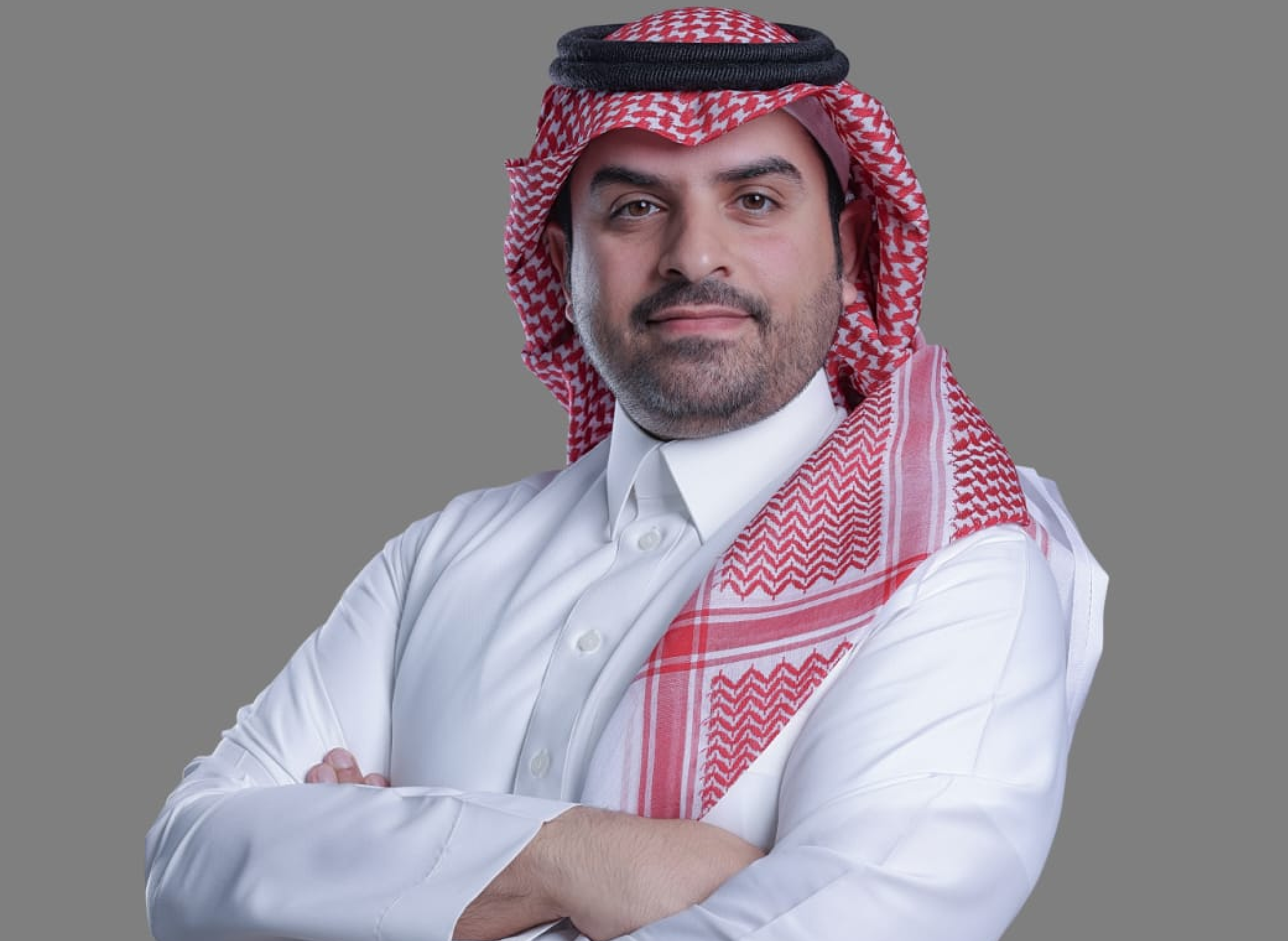
 Mamdouh Aldoubayan
Agentic AI won't build itself. Saudi Arabia now needs people who deliver.
There is a moment in every large transformation programme when the energy shifts. Not when funding runs out, and not when ambition fades, but when the people driving it stop asking "what should we build?" and start asking "what is actually working?" Saudi Arabia reached that moment this week.
PIF’s new 2026–2030 strategy, narrowing from thirteen strategic sectors to six focused ecosystems, is not a concession to difficulty. It is a sign of institutional maturity. Every great transformation, whether in a company, a city, or a kingdom, goes through this arc: a period of expansive vision-setting, followed by the harder, quieter work of making things real. The PIF has, through Qiddiya's first operational phases and Red Sea Global's early resort openings, earned the right to enter that second chapter.
The age of the CGI render is over. The age of the working system has begun. Those are not the same opportunities, and they do not call for the same kind of partner. What changes in this new strategy is not the scale of Saudi Arabia's ambition, Governor Rumayyan was explicit that international investment continues and capital efficiency, not capital reduction, is the goal. What changes is the accountability model. Six ecosystems: advanced manufacturing, clean energy infrastructure, urban development, tourism and entertainment, logistics, and Neom's reinvention as an industrial and data infrastructure hub, each with hard deadlines attached to Expo 2030 and the 2034 FIFA World Cup. These are not vision documents. They are delivery contracts with the world as the audience.
That shift matters enormously for how technology should be deployed in the kingdom. And here is where I want to say something direct: the technology industry has not always served sovereign transformation programmes well. Too often, the most visible partners in this space have excelled at frameworks, reports, and capability academies, excellent for influence, less useful when a smart city platform needs to go live for millions of visitors. The result is a familiar pattern: impressive proofs of concept that never become production systems.
Most AI pilots still fail to scale. That is not a Saudi problem, it is an industry problem. The difference in 2026 is that the PIF's efficiency mandate makes it someone's problem to solve, not just to acknowledge. The architecture of the new PIF ecosystems maps almost precisely onto what agentic AI can actually do right now, not in theory.
In advanced manufacturing, AI-powered digital twins are already enabling real-time simulation of factory floors, predictive maintenance, and autonomous quality control. In tourism and entertainment, agentic systems can manage entire visitor journeys end-to-end: not just recommend an experience, but dynamically re-plan it when a show is sold out, reroute transport, and adjust a guest's next three hours, all without human intervention. In clean energy and logistics, autonomous agents can orchestrate grid balancing, supply chain exception management, and predictive resourcing at a scale no human team could match. In Urban Development, Smart City AI Platforms can provide interconnected civic services and real-time infrastructure monitoring.
These systems are just some proof points that are already built in Saudi Arabia, on PIF assets. At Qiddiya, Globant has built the PLAY LIFE Connected Experience, an AI-driven digital ecosystem managing personalised visitor journeys, real-time event booking, and community engagement across what will become the world's most complex entertainment destination. At Red Sea Global, we are deploying AI, IoT, and data analytics to create a connected luxury experience that treats sustainability and personalisation not as trade-offs but as the same design problem.
What these projects share is not a technology stack, it is an operating philosophy. You cannot build an agentic tourism platform the way you build a consulting report. You need product engineers embedded in the client's world, AI architects who understand the business model, and a delivery rhythm measured in working features, not billable hours. This is what the PIF's efficiency era demands. And it is, I would argue, the most important capability question facing every technology company operating in this region right now: not "do you understand the vision," but "can you deliver against it?"
Saudi Arabia is not running a technology experiment. It is running a transformation with a deadline. The PIF's new strategy is a clarifying moment, it asks every partner in this ecosystem: what have you actually built? What is running, what is live, what did your users do differently because of it? Those are the questions that will define the next chapter of Vision 2030. At Qiddiya, Globant has already answered them, with a live, AI-driven platform managing the visitor experience across the very first entertainment city. That is what Globant is here to do: not advise on the future, but build it.