Dr. Walid Fitaihi: IMC’s Emergency and Cardiac Expansion Renews a 20-Year Promise “Because Every Minute Is a Life”
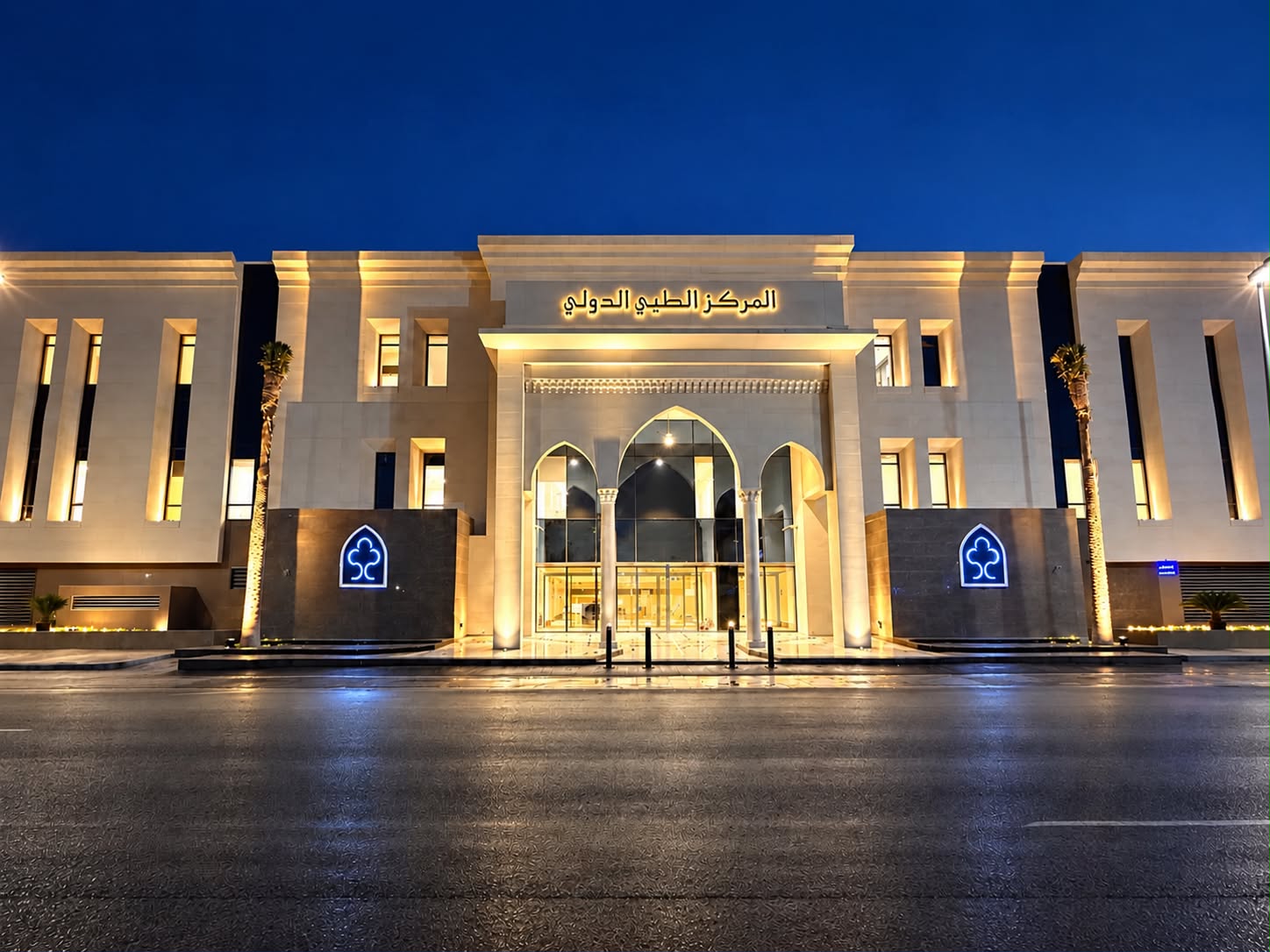
Marking the opening of its expanded Emergency Department and Cardiac Center of Excellence, International Medical Center (IMC) is embarking on its most significant expansion since its inauguration in 2006. Dr. Walid Fitaihi, Chairman and CEO of IMC, explains how the new facilities strengthen emergency and cardiac care in Jeddah and form part of a broader strategy encompassing healthcare, medical education, expansion and community service.
What does the opening of the expanded Emergency Department and Cardiac Center of Excellence mean for IMC and Jeddah?
This is the most significant expansion of International Medical Center since it was inaugurated in 2006. Twenty years ago, we made a promise to raise the standard of private healthcare in the Kingdom. Today, we renew that promise in the two places where minutes matter most: the Emergency Department and cardiac care.
For Jeddah, this expansion means more than 3,000 square metres of new clinical space, a new emergency entrance on the eastern side of the campus, and an integrated cardiac pathway that allows a patient arriving at the Emergency Department with cardiac symptoms to reach the catheterisation laboratory without leaving the same floor.
What are the key additions to the expanded Emergency Department?
The primary objective is to increase capacity and improve patient flow. Phase One includes 14 treatment rooms, three fast-track rooms, two triage rooms, one resuscitation room and one existing isolation room, alongside the renovation of the existing facilities.
The department has been designed around the patient journey from triage to fast track or treatment, and resuscitation when required. This allows different types of cases to be managed more efficiently, so that less complex cases do not have to follow the same pathway as critical patients.
The department is also designed to respond to periods of high demand. Jeddah is the gateway to the Two Holy Mosques, and emergency services must be prepared for both the city's ordinary days and its extraordinary ones.
What distinguishes the Cardiac Center of Excellence?
I would highlight three elements: integration, technology and people. The Cardiac Center includes 12 CCU rooms, including two isolation rooms, one cardiac catheterisation laboratory and one hybrid laboratory, all located on the same floor as the Emergency Department. The hybrid laboratory combines advanced imaging technology with a surgical environment in a single room, allowing complex procedures to be performed without moving the patient.
The third element is clinical expertise. The Center is led by Dr. Bassam Tayeb and a specialised team that previously performed the Kingdom's first atrial fibrillation treatment using pulsed field ablation at IMC. In cardiac care, time is critical. This integrated environment has therefore been designed to reduce the time between a patient's arrival and the start of treatment.
How does IMC’s mission of healing body, mind and soul translate into the Emergency Department?
An emergency is a moment when a person can be at their most frightened and vulnerable. For us, care therefore goes beyond medical protocols; it also means preserving the patient's dignity.
We provide private rooms rather than relying on curtains, spaces for families to wait, and training for our staff to engage with the person before engaging with the medical chart. Our values are mercy, measurement, teamwork, timeliness and responsibility. The Emergency Department is where all five are tested simultaneously.
How does this expansion support Saudi Vision 2030?
Vision 2030 calls for a greater role for the private sector in healthcare delivery while raising the quality of care. We believe our role goes beyond adding buildings or beds. We are investing in capacity, specialist care and medical education to help provide world-class healthcare to the people of Makkah Province at home.
This commitment is reflected in our quality journey. IMC has achieved JCI accreditation seven consecutive times and has recently received Center of Excellence recognition in hernia surgery and orthopaedic surgery.
What is the status of IMC’s new hospital in Obhur?
The Obhur hospital is an important part of our expansion strategy. The 20,800-square-metre complex in northern Jeddah will include specialised centres covering preventive, curative and rehabilitative care. Dar Al-Handasah is responsible for the design, while Midrar is managing the project.
We have also signed a SAR 1 billion financing agreement with Saudi Awwal Bank for the project, supporting its transition from planning to construction. We chose to partner with a leading Saudi bank because this is a Saudi project serving Saudi families and being built with Saudi partners.
Ultimately, we measure every partnership by one question: does it help bring better care closer to more people?
Why has IMC entered medical education?
Because the healthcare sector's needs are not only about beds; they are also about people.
This year, IMC Medical College opened its doors to its founding Medicine cohort, with admissions exceeding our target. Our aim is to develop the Hakeem physician a doctor who combines scientific excellence and clinical skills with wisdom, compassion and a holistic understanding of the human being: body, mind and soul.
Students learn within a working hospital accredited by JCI and ACGME-I, following a curriculum based on a leading British university model and reviewed with the Cambridge University Medical Education Group. IMC has also operated residency programmes since 2010, with more than 160 physicians graduating from those programmes.
The permanent college campus is currently under development. It will cover 13,581 square metres across six floors, with capacity for 1,200 students.
What about IMC’s presence in Makkah?
Makkah was our first step beyond the Jeddah campus. We have an integrated outpatient facility within the Al Rajhi development, with clinics across specialties, day surgery, radiology and laboratory services, serving residents of the Holy City as well as the millions who visit it.
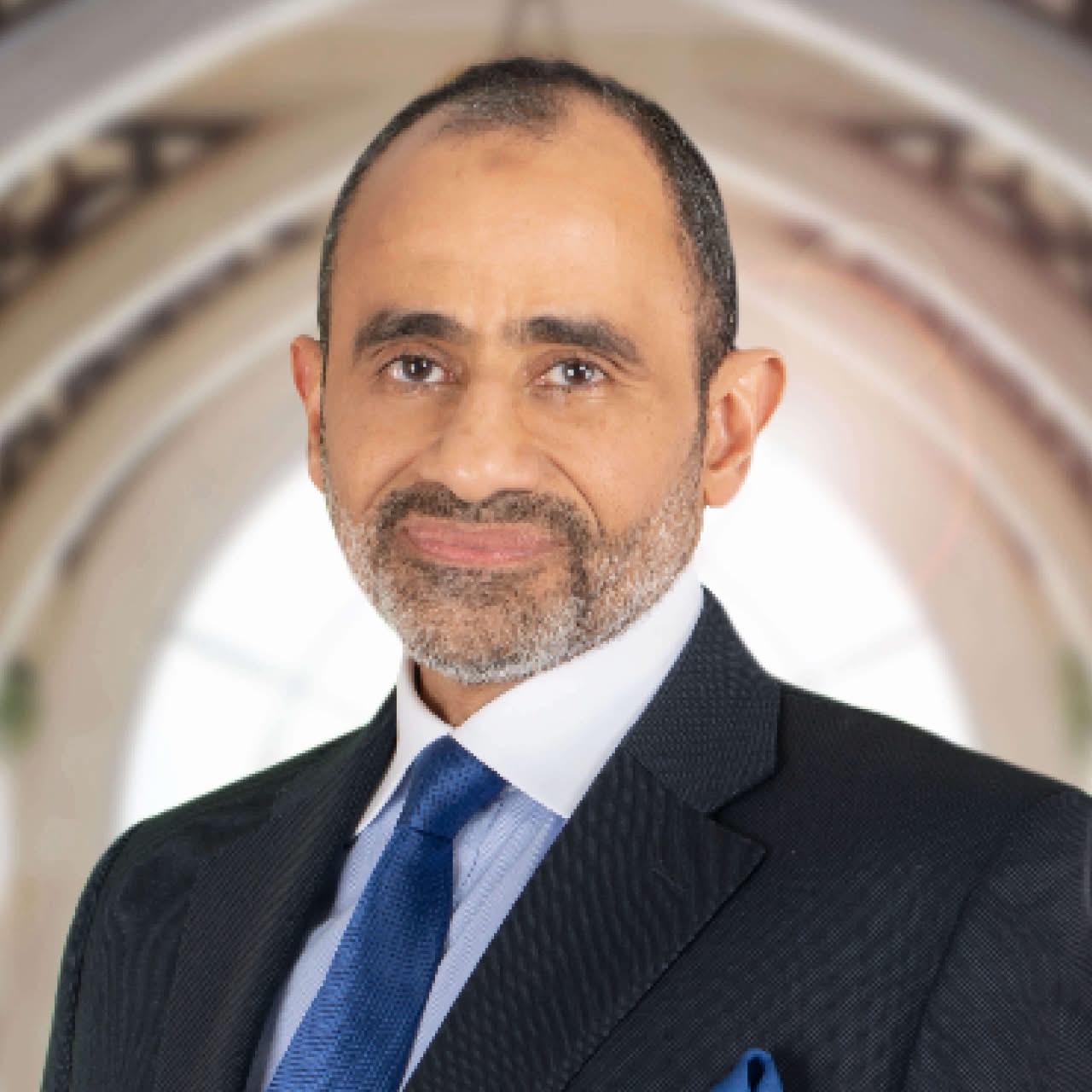
Dr. Walid Fitaihi, Chairman and CEO of IMC