
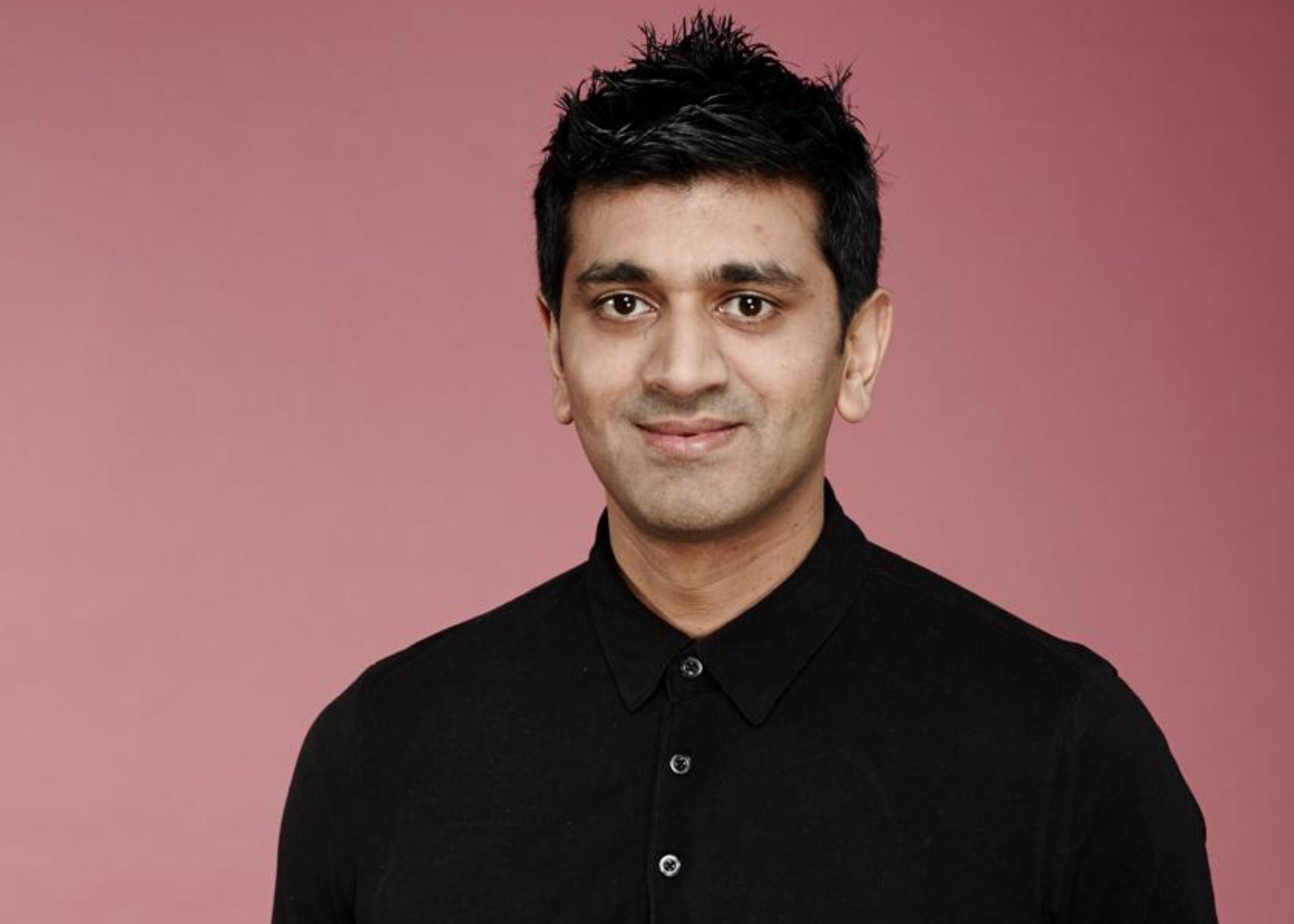
 Mazhar Hussain, Partner and Platforms Leader at KPMG Middle East
The organizations winning the Intelligence Age are not the ones with the most AI. They are the ones with the best leadership, new KPMG report explains why
KPMG Middle East released Lead First: The Human Playbook for the Intelligence Age, a report that makes a direct and important argument: the organizations succeeding in the Intelligence Age are not doing so because of their technology. They are succeeding because of how they lead.
KPMG's Global AI Pulse research — 2,110 senior executives across 20 countries — finds that 95% of organizations have an AI strategy. Only 8% have established measurable ROI. The gap is not a technology problem. It is a leadership and enterprise design problem. Organizations that have defined clear human accountability for AI decisions report returns more than three times higher than those without it.
Lead First argues that every previous technology wave left human judgement largely untouched. The Intelligence Age reaches directly into the ambiguous, the creative, and the consequential work that machines previously could not reach. Organizations that treat AI as a tool to deploy within existing structures will hit a ceiling. Those that redesign around what the Intelligence Age actually requires — and lead that redesign visibly and personally — will compound advantage rapidly.
The report positions Saudi Arabia not simply as a regional story but as the world's most significant demonstration of what Intelligence Age leadership looks like when infrastructure, sovereign ambition, governance, and workforce align simultaneously. While other regions are retrofitting sovereignty after dependency has already formed, the Kingdom entered the Intelligence Age with a deliberate strategy — owning the full stack from compute to model to governance on its own terms. Saudi Arabia is not inheriting the Intelligence Age. It is shaping it.
Beyond strategy, Lead First provides what few leadership papers attempt: a practical behavioral framework covering every level of the organization — from frontline professionals to CEOs — on the specific capabilities to build, the habits to leave behind, and how to develop what the Intelligence Age actually demands. At its core is a progression every leader is now navigating from operator to overseer to orchestrator.
Mazhar Hussain, Partner and Platforms Leader at KPMG Middle East, said: "Every organization is already adopting AI, so that is no longer where advantage is won or lost. The organizations that succeed will be those that redesign their enterprise architecture and leadership structures for the age they are entering. Where accountability is clearly defined and embedded in decision-making, returns follow at more than three times the rate seen elsewhere. This is a leadership responsibility before it is a technology one."
Hussain added: "Across the Middle East, the pace of change is unlike anywhere. The ambition is real. The infrastructure is being built at a scale that would have been unthinkable five years ago. What this region now needs - and what this paper is written to address - is the leadership capability to match both. Saudi Arabia and the Gulf are not inheriting the Intelligence Age. They are shaping it."